The day your feet began to heal
Why are feet important?
Feet are overlooked until pain brings them into focus. This happens often nowadays. Foot pain restricts half of American adults from activities like walking and standing. Feet are the foundation of the human body. They underpin strength, aerobic, and anaerobic performance. Healthy feet are springs storing and releasing energy as we move. They ground and support proper posture. Feet provide stability, contributing to longevity. You likely grasp intuitively that feet are important. But do you know if your habits will support your feet as well as they support you?
What’s wrong with unhealthy feet?
Perhaps your feet have never hurt because you’re already stepping over society’s hurdles. Or, bad habits are slowly eroding your foundation. In high school, I developed plantar fasciitis, a condition shared by 27% of Americans. Unhealthy feet impair athletic performance and lead to frequent injuries. Basketball is no fun when sudden movements can result in searing pain. Compromised mobility significantly reduces daily activity levels and negatively impacts mental health. This is a gateway to chronic health conditions, weight gain, decreased cardiovascular health, strength and flexibility. A poorly aligned foundation generates imbalances throughout your kinetic chain. Altered gait patterns and compensatory movements increase the risk of secondary injuries. A compromised foundation will not fail alone.
How do feet affect the body?
Before pain presents itself, links in your kinetic chain are adapting to those adjacent. For example, “duck feet,” characterized by outward-pointing feet, can negatively affect alignment from toes to head. This posture is associated with weak ankles, and flat arches. It can lead to knee misalignment, increasing knee joint wear, and cause chronic knee pain. This foot positioning also affects hip alignment. Tight or weak hip rotators change your gait and increase the likelihood of hip pain. Hip misalignments lead to lower back instability and pain. Lower body misalignments cascade into shoulder tension and neck pain. When our foundation fails, the rest of the body will compensate unsuccessfully for relief. This is self destructive, so how do we avoid it?
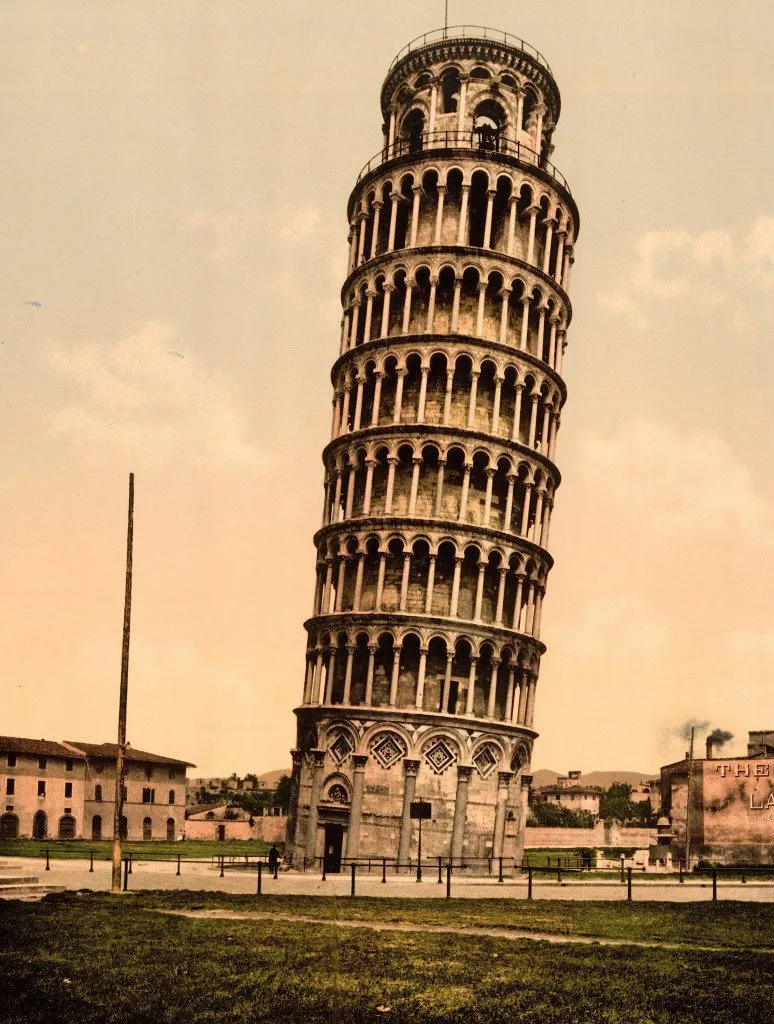
The foundation affects everything above it
How do feet work?

The human foot is a puzzle of bones held together by a web of tissue. When properly aligned, three arches are formed. Two arches extend longitudinally along the inside and outside of the foot, while a third spans the midfoot’s width, completing the tripod. Bones provide the structure and tissues keep it together, allowing for elasticity.
Together they can absorb, store and release impact. Forefoot running leverages this to minimize impact on the rest of the body. When walking these properties minimize energy expenditure over long distances. It may be temping to simplify the foot into a single spring, but the foot provides more than a mechanical advantage. Mechanoreceptors cover the sole of the foot and provide information on body position and terrain changes. Their feedback is necessary for us to balance, walk or perform complex dynamic movements.
What makes feet resilient?
In material science, strength is the ability to withstand strain and stress. Stress is like PSI, the pressure a solid can endure. Strain is about how much something can be stretched before it breaks. Our tissues are antifragile. They get stronger when taken close to breaking. Stretching improves maximum strain. Exercise or weight lifting increases maximum stress. Both are necessary for resilience, but if you don’t use it you loose it. The same plasticity that enables growth allows for atrophy. There is no quick fix, it takes a lifestyle to build strong feet.
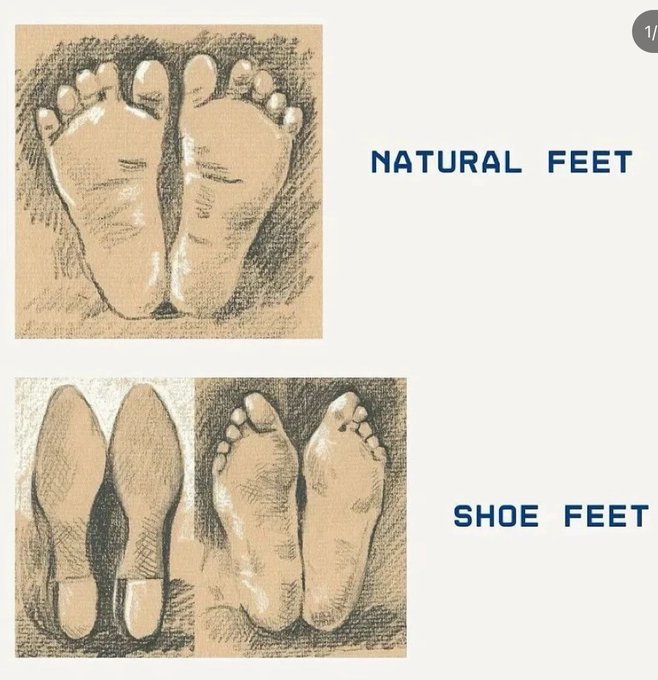
The price we pay for “fashion”
How do shoes affect feet?
Footwear has been around for about 40,000 years, but we don’t make them like we used to. Shoes have transitioned from simple sandals to complex designs prioritizing aesthetics. Today, pointed and closed-toe shoes commonly cause toe deformities. Thick tread and big heels increase hip impact when walking. Stiff soles dull foot sensitivity causing atrophied proprioception. Toe springs weaken foot muscles, raising the risk of issues like plantar fasciitis.
When I was young, I was recommended to wear insoles to support my flat arch. They reduced pain while I was wearing them, but I became dependent on them. Insoles support your arches, but weaken the muscles meant for the job. In my case this led to more pain any time I wasn’t wearing them. Most shoes these days hurt you more than they help you.
How are feet healed?
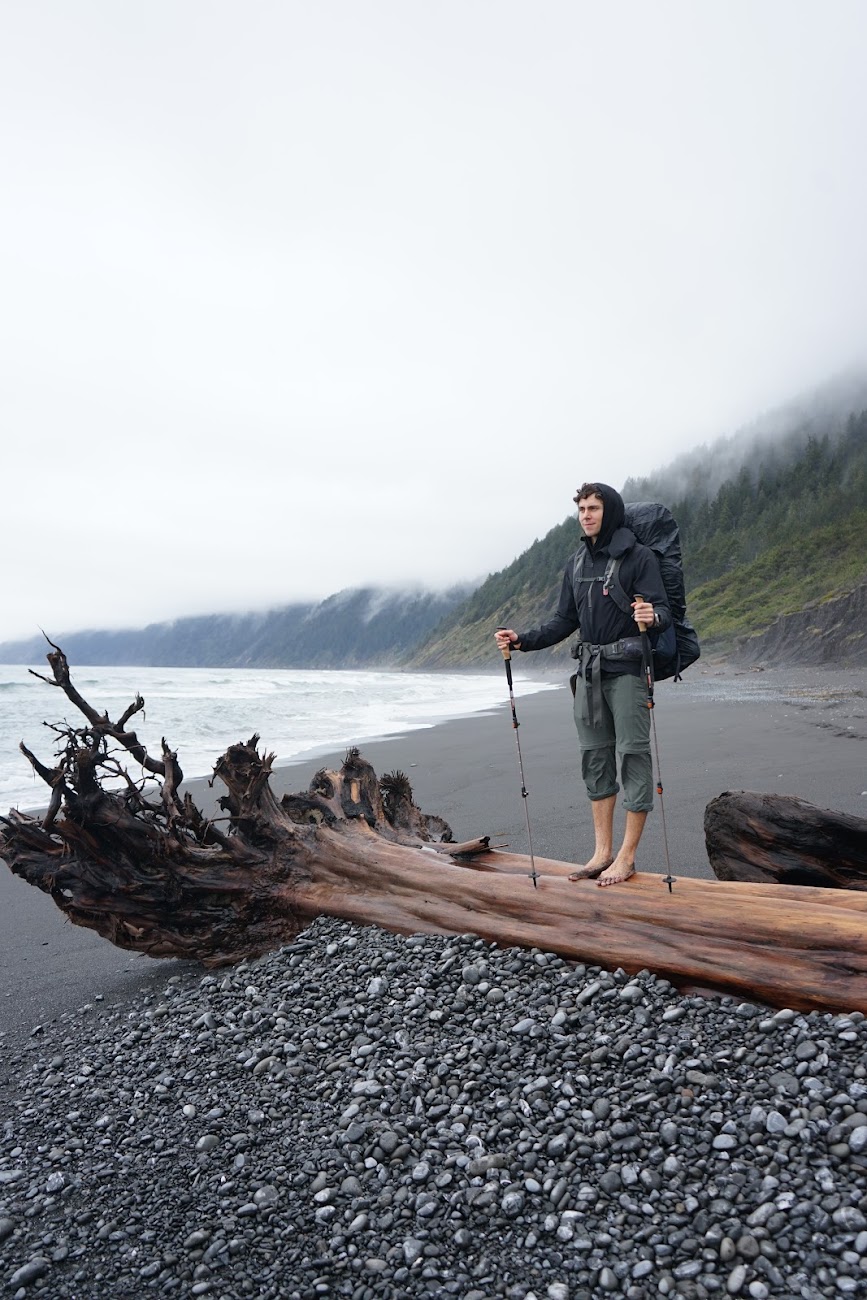
Unfortunately, it’s not always practical to walk around barefoot, so we need to shop for better shoes. When looking for shoes there are some keywords to keep in mind: “zero-drop”, “wide toe box”, and “thin, flexible soles”. Some brands I like include Vivo Barefoot, Earth Runners, and Wilding. Minimalist shoes prevent further damage, but won’t be enough to reverse years of mistreatment. Toga helps improve resilience. You can also provide passive improvements by wearing Correct Toes. It’s most comfortable to wear toe-socks, then correct toes over them, and a nice wide-toe box shoe on top of that. I wear my Earth Runners while running or backpacking and they help strengthen my arches. Most importantly, listen to your feet. By shedding modern footwear, your feet regain sensitivity, alerting you to harsh impacts or sharp objects. Over time, your increased sole mobility allows for pain-free navigation over rough terrain.
How long till feet heal?
Progress won’t happen over night, and proceeding recklessly will prove all the nay-sayers right. In the beginning, you’ll likely have very weak, tight feet which can be easily damaged by running barefoot. You might only be able to wear correct toes for short periods of time before they become uncomfortable. Keep at it but stop before hurting yourself. Eventually, you’ll be able to wear them nonstop. Toga progresses humblingly slowly. It took me many weeks before I could reliably move my big toes independently from the others. I’m still working on individual toe control and it’s been months. I’m happy to report that I recently ran 10 miles in my Earth Runners without damage. It’s funny seeing people’s expression when they notice my feet. I hope it’s time that you notice yours.
Links
Correct Toes® - Toe Spacers, Natural Footwear & Foot Care
The Arches of the Foot - Longitudinal - Transverse - TeachMeAnatomy
the barefoot running debate - Christopher McDougall
Effect of the upward curvature of toe springs on walking biomechanics in humans
Why is stability an essential component of longevity? Peter Attia, M.D.
The effects of habitual footwear use: foot shape and function in native barefoot walkers†